Rethinking the City: From Concrete to Nature
The Depaving Phenomenon
In recent years, many European cities have started to rethink their approach to urban regeneration. It is no longer only about constructing new buildings or infrastructures, but about redefining the relationship between urban space, nature, and energy.
One of the most interesting emerging trends is the so-called depaving: the removal of asphalt and concrete surfaces to restore natural ground, green areas, and urban permeability. Parking lots, squares, courtyards, and underused spaces are being transformed into gardens, green islands, and more livable public environments.
The Climate Challenges Driving Change
This vision comes from the growing need to address some of the main climate challenges affecting modern cities. Asphalted surfaces absorb and retain large amounts of heat, contributing to the so-called “urban heat island” effect. At the same time, soil sealing prevents rainwater from naturally infiltrating the ground, increasing flood risks and overloading drainage systems.
The Benefits of Depaving
Depaving therefore represents a practical response to these issues: it helps reduce heat accumulation, improves natural water drainage, supports urban biodiversity, and enhances the aesthetic quality of public spaces. More and more municipalities are introducing programs focused on urban renaturalization, with incentives and structural interventions aimed at reducing land consumption and increasing green surfaces — reshaping the very concept of sustainable urban design.
Renewable Energy Integrated into Urban Regeneration
The Strategic Role of Micro Wind
However, the transformation of cities cannot stop at greenery alone. The new generation of urban projects also requires the integration of environmental sustainability, architectural quality, and distributed renewable energy.
In this context, ENESSERE’s micro wind systems can become a strategic element of urban regeneration. No longer just an energy technology, but an infrastructure fully integrated into the urban landscape.
Energy-Active Urban Spaces
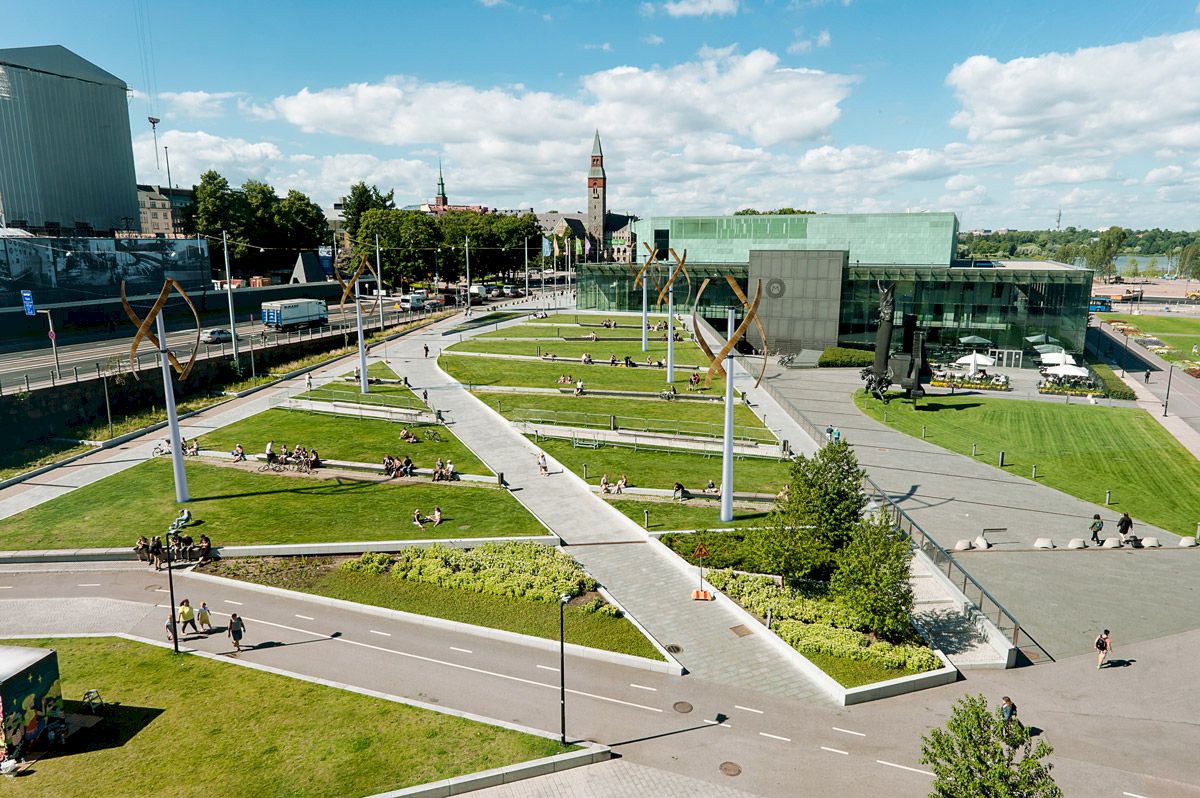
The integration of ENESSERE smart small wind turbines within depaving and regeneration projects can help create spaces capable of producing clean energy directly where it is consumed. Green areas, renovated squares, waterfronts, campuses, business parks, and public spaces can become energy-active environments where nature and technology coexist harmoniously.
Features Suited to the Urban Context
The new Enessere 4kW vertical axis small wind turbines offer features particularly suited to urban environments: silent operation, minimal visual impact thanks to their height of only 9 meters, architectural integration enhanced by customizable colour choices, smart management systems, and the ability to aesthetically enhance the spaces where they are installed.
The Philosophy of the City of the Future
Removing to Add Value
The urban regeneration of the future will not only concern the reduction of concrete surfaces, but also the ability of cities to produce energy in a distributed, visible, and sustainable way.
For many years, urban development was associated with the idea of adding: new roads, new surfaces, new constructions. Today, a different philosophy is emerging: removing what is unnecessary, giving space back to nature, and integrating sustainable technologies capable of improving urban quality of life.
The cities of the future will probably not only be greener. They will also be smarter, more permeable, and capable of producing energy in harmony with the environment around them.